
The Invisible Threads Connecting Global Events to Your Morning Coffee
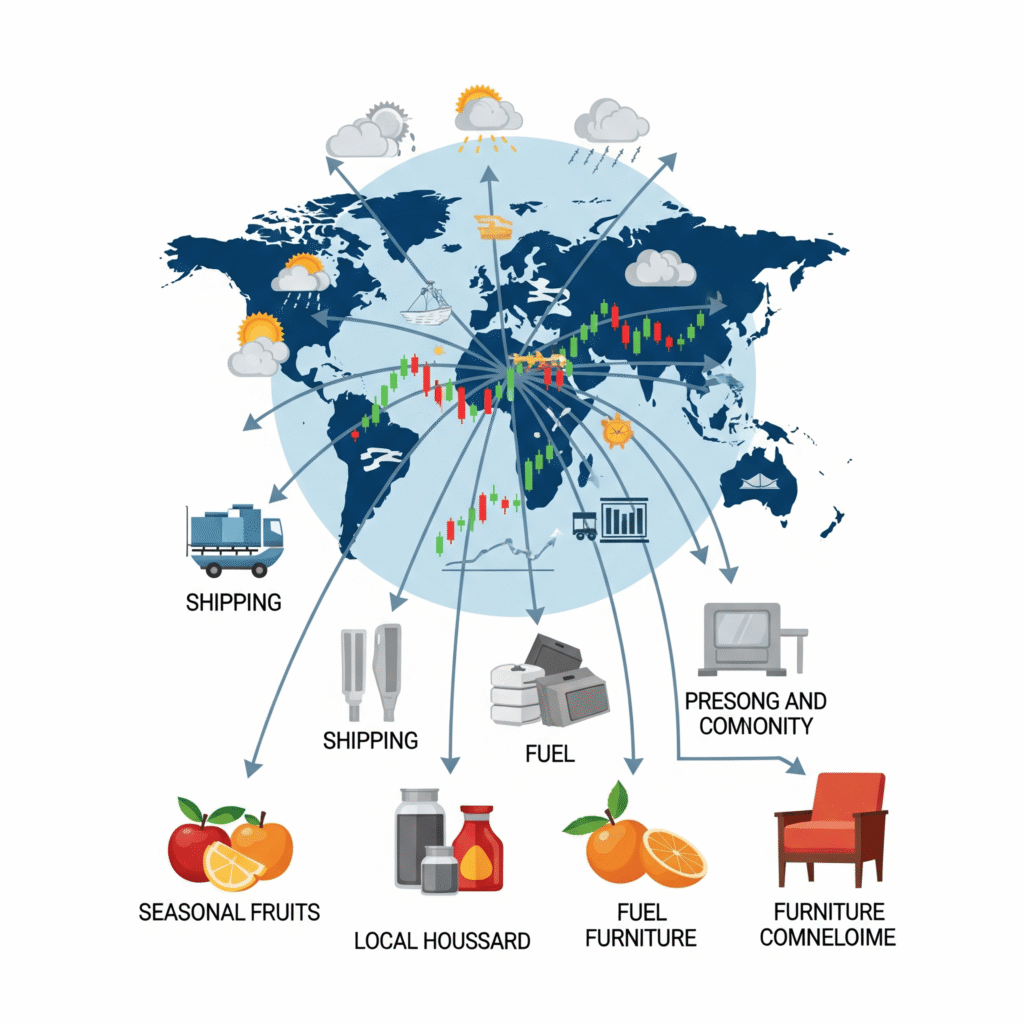
When you pour your morning coffee or fill up your car with gas, you’re experiencing the direct effects of events happening thousands of miles away. These moments are small but powerful reminders of how global events impact daily life — from supply chain disruptions and inflation to climate patterns and geopolitical tensions. The price of that coffee bean traveled through global supply chains affected by weather in Brazil, shipping costs influenced by fuel prices, and market speculation driven by international conflict. This interconnectedness defines modern life, where distant events ripple through our daily experiences in both obvious and subtle ways.
Global events have always influenced local communities, but today’s hyperconnected world amplifies these effects exponentially. A conflict in one region can disrupt supply chains globally, climate events in agricultural areas affect food prices worldwide, and economic policies in major economies create waves that touch every household budget.
Understanding these connections isn’t about feeling overwhelmed by forces beyond our control—it’s about developing awareness that helps us make informed decisions, adapt our strategies, and find stability amid uncertainty. The most resilient individuals and families are those who recognize these patterns and adjust their daily lives accordingly.
How Global Events Impact Daily Life Through Inflation
Rising Costs: A Key Way Global Events Impact Daily Life
Inflation affects every aspect of daily life, from grocery shopping to housing costs, transforming routine decisions into complex budget calculations. What once required minimal thought—buying milk, filling the gas tank, or paying utility bills—now demands careful consideration and often difficult choices between competing needs.
The psychological impact of inflation extends beyond actual price increases. Constant price monitoring, comparison shopping, and budget adjustments create mental fatigue and decision stress that didn’t exist during periods of price stability. Families find themselves researching purchases they previously made automatically, adding cognitive load to simple daily tasks.
Adapting to inflationary pressures requires both practical adjustments and mental resilience. Successful adaptation involves developing new shopping habits, finding alternative products or services, and maintaining perspective about temporary versus permanent changes in spending patterns.
How Financial Choices Shift as Global Events Impact Daily Life
Inflation forces fundamental changes in how families approach budgeting and spending priorities. Discretionary spending categories—dining out, entertainment, travel—often face cuts first, but eventually, even essential categories require strategic adjustments.
Grocery shopping transforms into a strategic activity involving price comparison apps, store loyalty programs, bulk buying decisions, and meal planning around sales and seasonal prices. These adaptations require time and planning that busy families must somehow incorporate into already packed schedules.
Housing costs, whether rent or mortgage payments, create the most significant pressure points. When housing consumes larger portions of household income, families may need to consider relocating, downsizing, or finding additional income sources—life changes that extend far beyond simple budget adjustments.
Building Financial Resilience
Developing emergency funds becomes more critical during inflationary periods, but also more challenging as expenses rise faster than income. Families must balance current needs with future security, often requiring creative approaches to saving and spending.
Skill development gains new importance when traditional career paths face economic pressure. Learning to repair items instead of replacing them, growing food, or developing side income streams becomes practical adaptation rather than optional hobbies.

How Global Events Impact Daily Life During Conflict and Instability
Shopping Challenges: How Global Events Impact Daily Life Through Supply Chains
Modern conflicts affect global supply chains in ways that directly impact local store shelves and online shopping experiences. A disruption in grain exports affects bread prices, semiconductor shortages delay electronic deliveries, and energy market volatility influences transportation costs for all goods.
Consumers experience these disruptions as product shortages, delayed deliveries, and substitution challenges. The Just-In-Time inventory systems that normally keep shelves stocked struggle during conflict-related disruptions, requiring shoppers to become more flexible and forward-thinking about purchases.
Geographic awareness becomes practically important as consumers learn which products depend on affected regions. Understanding these connections helps in making informed decisions about timing purchases, finding alternatives, and adjusting expectations about availability and pricing.
Mental Health Effects as Global Events Impact Daily Life
Constant news coverage of conflicts creates background stress that affects daily mood and decision-making, even for those not directly affected by violence. This ambient anxiety influences sleep patterns, work concentration, and family interactions in subtle but measurable ways.
Parents face particular challenges in helping children understand global events while maintaining their sense of security and normalcy. Balancing awareness with protection requires careful consideration of news consumption and discussion approaches within families.
Community Responses and Local Resilience
Communities often respond to global instability by strengthening local networks and resources. Neighborhood groups, community gardens, local business support, and mutual aid networks become more active during uncertain times.
These community responses create opportunities for deeper local connections and reduced dependence on global systems. Participating in local resilience efforts provides both practical benefits and psychological comfort during uncertain periods.

How Global Events Impact Daily Life Through Climate Change
Extreme Weather as the New Normal
Climate change manifests in daily life through increasingly unpredictable and severe weather patterns that require constant adaptation in planning and preparation. What once were rare emergency situations—extended power outages, flooding, extreme heat or cold—now require regular contingency planning.
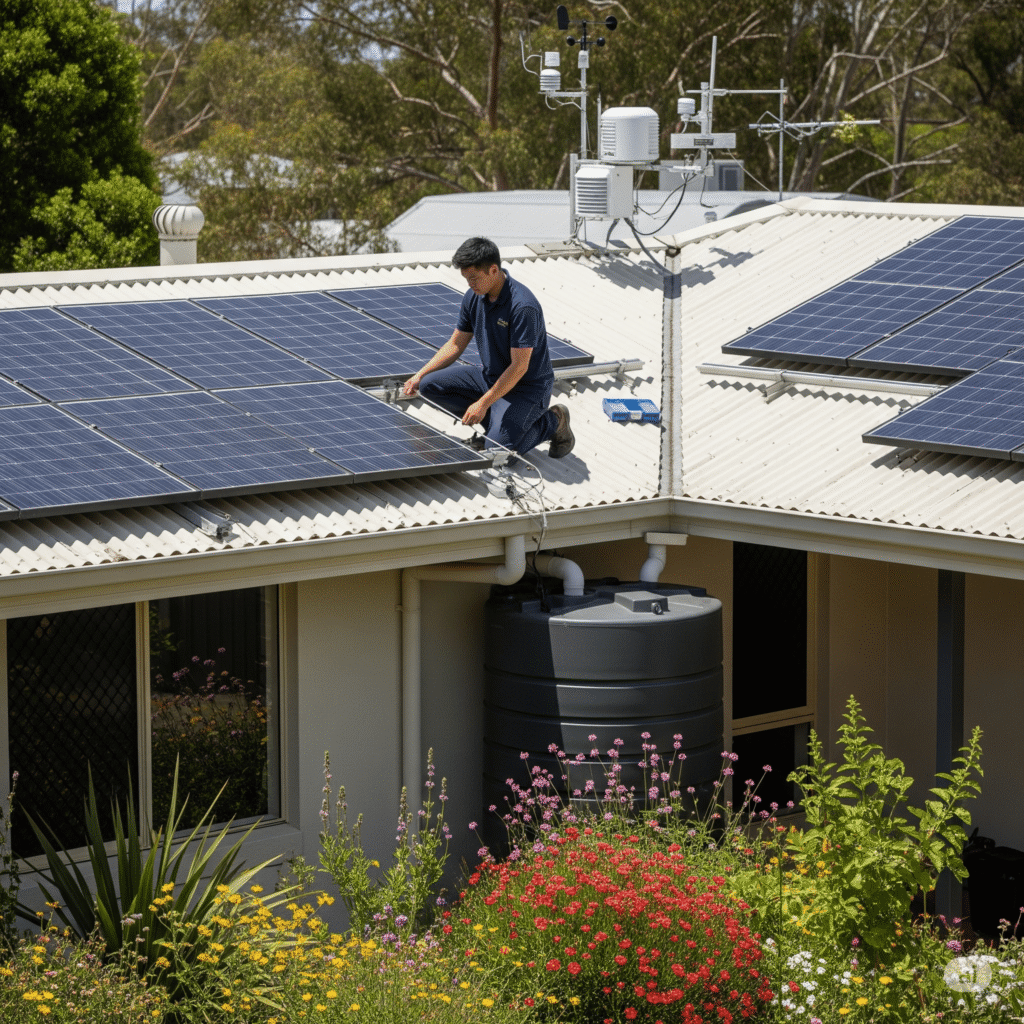
Home maintenance and improvement decisions increasingly factor in climate resilience. Families invest in backup power systems, improved insulation, water storage, and cooling systems not as luxury upgrades but as practical necessities for managing increasingly common extreme weather events.
Seasonal planning extends beyond traditional considerations like winter clothing or summer vacation plans. Families now plan around wildfire seasons, hurricane patterns, and heat waves that affect everything from school schedules to work arrangements and travel safety.
Agricultural Impacts on Food Security
Climate-affected agriculture directly impacts local food prices and availability, making seasonal eating less of a choice and more of an economic necessity. Weather-related crop failures in major agricultural regions create price spikes that affect household budgets and meal planning.
Growing awareness of food system vulnerability drives many families toward local food sources, home gardening, and food preservation skills. These activities require time, space, and learning investments but provide both practical benefits and psychological security.
Energy and Transportation Adaptations
Extreme weather events create new considerations for transportation planning, from electric vehicle charging during power outages to alternative route planning during flood seasons. Daily commuting decisions increasingly factor in weather resilience and backup plans.
Home energy consumption patterns shift in response to extreme weather, requiring upgraded systems and changed usage habits. Managing cooling costs during extended heat waves or heating costs during severe cold snaps becomes a significant household planning consideration.
Technology and Information: Managing the Constant Stream
Digital Overwhelm in Information Age
The constant flow of global news and information creates new challenges in maintaining mental health and focus during daily activities. Managing information consumption becomes a crucial life skill for maintaining perspective and emotional stability.
Social media algorithms amplify crisis information, creating distorted perceptions of risk and probability that affect daily decision-making. Learning to curate information sources and consumption habits becomes essential for maintaining balanced perspectives on global events.
Families must develop strategies for staying informed without becoming overwhelmed, particularly when helping children understand complex global situations. This balance requires intentional boundaries around news consumption and discussion timing.
Digital Tools for Practical Adaptation
Technology provides powerful tools for adapting to global uncertainties: price comparison apps, weather monitoring systems, community coordination platforms, and financial management tools that help families navigate changing conditions effectively.
Emergency communication systems and backup power solutions become household necessities rather than optional conveniences. Families invest in technology that maintains connectivity and access to essential services during infrastructure disruptions.

Building Resilience as Global Events Impact Daily Life
Developing Adaptive Strategies
Personal resilience in the face of global uncertainty requires developing flexible strategies that can adapt to various scenarios rather than preparing for specific predicted outcomes. This approach emphasizes building general capability rather than specific preparations.
Skill diversification becomes more valuable when traditional systems face disruption. Learning practical skills like basic repair work, food preservation, first aid, and financial management provides confidence and capability regardless of specific challenges that arise.
Community Connection and Mutual Support
Strong local relationships provide stability when global systems become unreliable. Investing time in neighborhood connections, local business relationships, and community organizations creates support networks that function regardless of broader uncertainties.
Sharing resources and knowledge within communities reduces individual burden and increases collective resilience. Tool libraries, skill-sharing networks, and cooperative buying groups provide practical benefits while building social connections.
Maintaining Perspective and Hope
Balancing awareness of global challenges with focus on personal agency and positive action prevents overwhelm while maintaining realistic preparation. This balance requires conscious effort to limit negative news consumption while staying appropriately informed.
Focusing on controllable factors—personal health, family relationships, community connections, and skill development—provides constructive outlets for energy and concern while building practical resilience for whatever challenges emerge.

Daily Adaptation Tips as Global Events Impact Daily Life
Financial Strategies for Uncertain Times
Building financial resilience requires both traditional approaches—emergency funds, debt reduction, diverse income sources—and new strategies adapted to current global conditions. This includes understanding inflation hedges, local investment opportunities, and alternative economic systems.
Budget flexibility becomes more important than budget precision when prices and circumstances change rapidly. Developing skills in rapid budget adjustment and expense prioritization helps families navigate unexpected financial pressures effectively.
Home and Family Preparedness
Modern emergency preparedness extends beyond traditional disaster kits to include backup systems for communication, power, water, and food storage that account for extended disruptions rather than temporary emergencies.
Creating redundancy in essential systems—multiple ways to cook food, purify water, stay warm, and maintain communication—provides security without requiring expensive or complex preparations.
Building Long-Term Adaptability
Developing adaptability as a core life skill becomes more valuable than specific preparations for predicted scenarios. This includes cultivating mental flexibility, learning agility, and comfort with uncertainty and change.
The most successful adaptation strategies focus on building general resilience rather than preparing for specific events, creating capability to handle various challenges rather than trying to predict and prepare for every possible scenario.
Global events will continue shaping our daily lives in unpredictable ways, but understanding these connections empowers us to respond thoughtfully rather than reactively. By building personal resilience, strengthening community connections, and maintaining balanced perspectives, we can navigate uncertainty while preserving the things that matter most in our daily lives.
Call-to-Action: How are global events currently affecting your daily routine? Share your adaptation strategies in the comments below, and let’s learn from each other’s experiences in building resilience during uncertain times.
🌐 Explore Trusted Resources on Global Events and Their Daily Impact
To gain deeper insights into how global events shape our everyday lives, consider exploring these authoritative resources. The International Monetary Fund (IMF) offers regular updates on global economic trends, including inflation and financial instability. For science-backed information on climate change and environmental shifts, the Intergovernmental Panel on Climate Change (IPCC) provides comprehensive reports and projections. Additionally, the World Bank’s Inflation Tracker helps monitor global price changes and their impact on households around the world. These resources can help you stay informed and make better decisions in an uncertain world.
If you liked this blog, Please checkout our other blogs Best Cybersecurity Tips for Complete Online Protection, How to Stay Updated with Global News Without Getting Overwhelmed, The Most Influential Movies and TV Series of All Time, Unlock the Benefits of Playing Sports for Better Health, Daily Productivity Habits That Skyrocket Focus and Work Performance and How to Start Investing in Stocks: Beginner’s Step-by-Step Guide

