
The Foundation of Peak Performance
In today’s fast-paced world, mastering daily productivity habits is essential for maintaining focus and achieving consistent success. Distractions are everywhere, but by building reliable routines that support mental clarity and energy, you can work smarter—not harder—and unlock your true potential. These habits aren’t about working longer hours but about making each moment count with intentional actions that boost both productivity and focus.
Productivity isn’t about working longer hours or cramming more tasks into your day—it’s about working smarter, maintaining sustained focus, and creating systems that naturally support your best performance without relying on willpower alone. The habits we’ll explore aren’t revolutionary concepts, but rather time-tested strategies backed by neuroscience and psychology research.
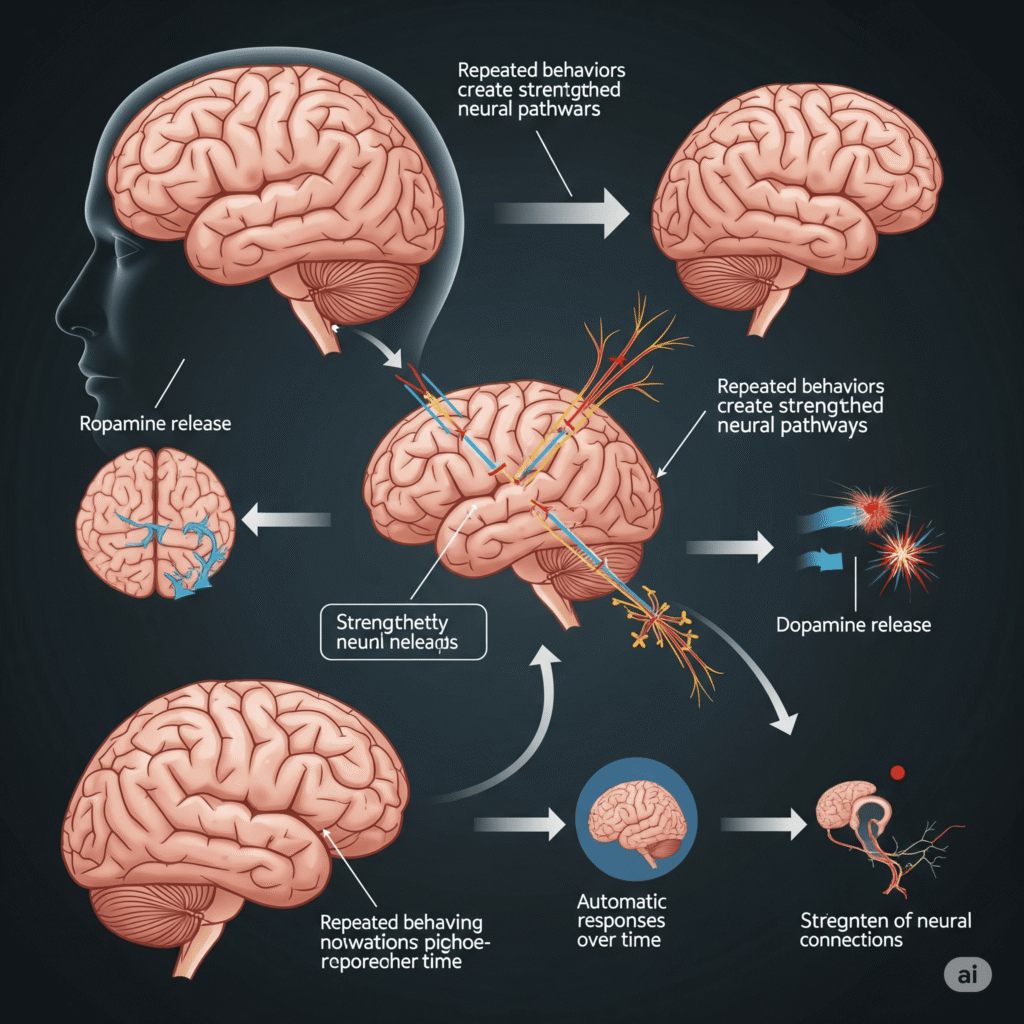
Habit-driven productivity is powerful because it’s sustainable. Once positive routines become second nature, they demand less mental effort, allowing your mind to focus more on creativity and meaningful tasks. These habits compound over time, creating exponential improvements in your ability to focus, complete meaningful work, and achieve your most important goals.
Many individuals struggle to boost their productivity because they attempt to overhaul everything all at once. The key is implementing one habit at a time, allowing each to become automatic before adding the next. This approach ensures lasting change rather than temporary motivation-driven spurts that inevitably fade.
Morning Daily Productivity Habits to Kickstart Your Day
The Power of Early Rising
Waking up early isn’t just about having more hours in your day—it’s about claiming the quietest, most focused hours when your mental energy is at its peak. Research shows that cortisol levels naturally peak in the morning, providing optimal conditions for complex cognitive tasks and decision-making.
Early risers consistently report higher productivity levels, better mood throughout the day, and greater sense of control over their schedules. The key isn’t becoming a 5 AM warrior overnight, but gradually shifting your wake time earlier by 15-30 minutes until you find your optimal schedule.
The morning hours offer uninterrupted time for important activities that often get pushed aside during busy days: exercise, reading, planning, or working on personal projects. This protected time becomes a productivity multiplier, ensuring your most important activities happen regardless of daily chaos.
Strategic Morning Planning
Beginning each day with intentional planning sets the trajectory for focused, purposeful action. Spend 10-15 minutes reviewing your priorities, identifying your most important tasks, and creating a realistic schedule that aligns with your energy levels throughout the day.
The planning process should include time-blocking—assigning specific time slots to different activities rather than maintaining a simple to-do list. This approach prevents important tasks from being overwhelmed by urgent but less critical activities, and creates realistic expectations about what can actually be accomplished.
Allow extra time in your schedule to accommodate unforeseen disruptions and to smoothly shift between activities. Overpacked schedules create stress and reduce focus quality, while realistic planning with breathing room maintains calm focus throughout the day.
Mindfulness and Mental Preparation
Starting the day with mindfulness practices—whether meditation, journaling, or simple breathing exercises—creates mental clarity and emotional stability that supports sustained focus. Just a five-minute session of focused breathing can lower stress levels and enhance brain performance for an extended period.
Morning meditation doesn’t require extensive training or long sessions. Simple practices like focusing on breath, practicing gratitude, or setting daily intentions provide significant benefits for mental clarity and emotional regulation throughout the day.
Journaling combines self-reflection with planning, helping clarify thoughts, process emotions, and identify patterns that support or hinder productivity. Morning pages—three pages of stream-of-consciousness writing—can clear mental clutter and reveal important insights about priorities and motivations.

Essential Daily Productivity Habits for Managing Energy
Understanding Your Natural Rhythms
Everyone has natural energy peaks and valleys throughout the day, known as circadian rhythms. Identifying your personal energy patterns allows you to schedule your most demanding work during peak periods and lighter tasks during natural lows.
Most people experience their highest cognitive performance in the late morning (9-11 AM) and early evening (6-8 PM), with a natural energy dip in the early afternoon. Everyone’s energy levels follow different rhythms, so monitoring your own for a week or two can help identify when you function at your best.
Plan your most mentally intensive tasks during times when your energy is highest. Reserve less demanding activities—such as checking emails, handling admin duties, or organizing plans—for when your energy dips. Matching your workload to your energy levels can greatly enhance both efficiency and output quality.
Strategic Break Taking
Despite common assumptions, stepping away periodically throughout the day can actually boost productivity instead of hindering it. The brain requires periods of rest to maintain focus and process information effectively. The Pomodoro Technique uses cycles of 25 minutes of concentrated work paired with 5-minute breaks to take advantage of our natural attention span.
Effective breaks involve genuine mental rest rather than switching to different mental tasks. Engaging in physical activity, going outdoors, or practicing short meditation sessions restores your mind more effectively than scrolling through social media or catching up on news, which keep your brain actively engaged instead of allowing it to relax.
Longer breaks every 90-120 minutes align with natural ultradian rhythms—biological cycles that affect alertness and focus throughout the day. These longer breaks should include physical movement and ideally some exposure to natural light to maintain circadian rhythm health.
Nutrition for Sustained Focus
Blood sugar stability directly impacts cognitive performance and focus quality. Eating balanced meals with protein, healthy fats, and complex carbohydrates provides steady energy without the crashes associated with high-sugar foods.
Strategic caffeine consumption can enhance focus when used wisely. Consuming caffeine 30-60 minutes before peak work periods maximizes its cognitive benefits, while avoiding caffeine after 2 PM prevents sleep disruption that would undermine next-day performance.
Hydration significantly affects cognitive function, with even mild dehydration reducing focus and increasing mental fatigue. Keeping water readily available and sipping consistently throughout the day maintains optimal brain function without requiring conscious effort.

Creating Daily Productivity Habits through Environment and Systems Optimization
Creating Focus-Supporting Environments
Your physical environment profoundly impacts your ability to maintain focus and enter flow states. Cluttered, chaotic spaces create mental distraction and stress, while clean, organized environments support calm concentration.
Whenever possible, assign certain areas for specific tasks. Even a small, dedicated workspace—like a particular desk or corner—can help establish mental cues that it’s time to concentrate. This environmental cue becomes a trigger for entering concentrated work mode.
Control lighting, temperature, and noise levels to optimize comfort and alertness. Natural light supports circadian rhythms and mood, while comfortable temperatures prevent distraction from physical discomfort. Some people focus better with background noise, while others require complete silence—experiment to find your optimal conditions.
Digital Environment Management
In today’s work settings, digital interruptions are one of the leading causes of lost productivity. Creating systems to manage technology rather than being managed by it is crucial for maintaining deep focus.
Turn off non-essential notifications during focused work periods. The average knowledge worker checks email every 11 minutes, creating constant interruption that prevents deep work. Handling messages and emails at set times helps you stay responsive without constantly breaking your concentration. During periods of deep focus, using tools like website blockers and app limits can minimize distractions and maintain productivity. Tools like Freedom, Cold Turkey, or built-in phone restrictions can eliminate tempting distractions without requiring constant willpower. The goal is to make staying focused the easiest and most natural option.
Task and Information Management Systems
Creating dependable methods to collect, sort, and manage information helps lighten mental load and ensures nothing important slips through the cracks. The ‘Getting Things Done’ (GTD) approach offers a structured way to handle tasks and responsibilities. Keeping all your to-dos, ideas, and obligations in one trusted system helps you stay organized and in control.
Maintain a single, trusted system for capturing all commitments, ideas, and tasks. Whether digital or analog, having one reliable place to record everything prevents mental energy from being wasted on trying to remember important items.
Regular weekly reviews of your systems, goals, and commitments ensure nothing falls through the cracks and allows for course corrections before small issues become major problems. This maintenance time is an investment that pays dividends in reduced stress and improved execution.
Evening Routines and Recovery
Preparing for Tomorrow’s Success
Evening routines are equally important as morning rituals for maintaining consistent productivity. Use evening time to review the day’s accomplishments, plan tomorrow’s priorities, and create closure between work and personal time.
Preparing for the next day—laying out clothes, packing bags, reviewing schedules—eliminates decision fatigue and friction in the morning. These small preparations compound to create smoother, more focused mornings that start the productivity cycle positively.
Reflection on daily progress, challenges, and lessons learned helps identify patterns and opportunities for improvement. This self-awareness accelerates productivity development and prevents repeating ineffective approaches.
Sleep Optimization for Cognitive Performance
Quality sleep is the foundation of all other productivity habits. Poor sleep undermines focus, decision-making, memory consolidation, and emotional regulation—no amount of productivity techniques can compensate for chronic sleep deprivation.
Aim for a regular sleep schedule that ensures you get between 7 to 9 hours of rest each night. Consistency supports natural circadian rhythms and improves sleep quality even more than total sleep duration.
Build a nightly routine that helps your body ease into sleep—such as dimming the lights, stepping away from screens, and doing relaxing activities like reading or light stretching. These habits signal your body that it’s time to slow down and get ready for restful sleep.
Digital Sunset and Mental Decompression
Introducing a ‘digital sunset’ by avoiding work-related tech use 1–2 hours before bedtime can enhance sleep quality and help separate work from personal time. Screen exposure late at night, especially blue light, can interfere with melatonin production and make it harder to fall asleep.
Use evening time for activities that support relaxation and mental processing: reading, gentle exercise, time with family, hobbies, or reflection. These activities provide genuine rest from the day’s cognitive demands and support overall well-being.

Advanced Productivity Strategies
Deep Work and Flow State Cultivation
Deep work—cognitively demanding activities performed in distraction-free environments—produces the highest-value outcomes in most knowledge work. Developing the ability to sustain deep focus for extended periods dramatically increases both productivity and work satisfaction.
Schedule deep work blocks during your peak energy periods and protect them as vigorously as important meetings. Start with shorter sessions (45-60 minutes) and gradually build capacity for longer periods as your focus endurance improves.
Flow states—periods of effortless concentration where time seems to disappear—represent peak performance conditions. Flow occurs when challenge level matches skill level, goals are clear, and feedback is immediate. Organizing your work in a way that supports these factors can boost both efficiency and overall satisfaction.
Habit Stacking and Implementation
By attaching new habits to routines you already follow, you tap into existing brain patterns, making it easier to adopt new behaviors automatically. For example, “After I pour my morning coffee, I will review my daily priorities” creates a clear trigger for planning.
Begin with very small steps of the habits you want to develop to lower resistance and gain momentum. For example, reading a single page, doing five push-ups, or meditating for two minutes helps build consistency that can grow over time as the habit takes hold.
Track habit completion to maintain awareness and motivation during the formation period. Simple checkmarks on a calendar or habit-tracking apps provide visual feedback that reinforces the developing behavior patterns.
Continuous Improvement and Adaptation
Productivity systems require regular evaluation and adjustment as circumstances, goals, and energy levels change. What works during busy periods may need modification during lighter schedules, and personal productivity needs evolve with life changes.
Experiment with new techniques and tools systematically rather than constantly switching approaches. Give new methods adequate time to show results—typically 2-4 weeks—before deciding whether to maintain, modify, or abandon them.
Focus on systems over goals. While goals provide direction, systems create the daily behaviors that actually produce results. Building robust, sustainable systems ensures long-term success regardless of changing external circumstances.

Implementation Strategy and Long-Term Success
Starting Your Productivity Journey
Begin by selecting just one or two habits from this comprehensive list rather than attempting to implement everything simultaneously. Success with small changes builds confidence and momentum for larger improvements over time.
Choose habits that address your biggest current productivity challenges. If mornings are chaotic, focus on evening preparation and consistent wake times. If afternoon energy crashes are problematic, emphasize nutrition and strategic break-taking.
Track your chosen habits for at least 21 days to begin establishing neural pathways. Use whatever tracking method feels most natural—apps, calendars, or simple checklists—but maintain consistency in monitoring your progress.
Overcoming Common Obstacles
Expect setbacks and plan for them rather than abandoning efforts after missing a few days. Productivity improvement is a skill that develops over time, not a switch that turns on permanently after reading about techniques.
Address environmental and social obstacles that might undermine your efforts. If family members interrupt your morning routine, communicate your needs and perhaps wake up earlier. If your workspace is chaotic, invest time in organization before expecting focus improvements.
Building Long-Term Productivity Mastery
View productivity development as a lifelong practice rather than a problem to solve once. As your skills, responsibilities, and circumstances evolve, your productivity systems should adapt accordingly.
Share your journey with others who value productivity improvement. Accountability partners, productivity groups, or online communities provide support, ideas, and motivation during challenging periods.
Remember that productivity serves larger purposes—achieving meaningful goals, reducing stress, creating time for relationships and activities you value. Keep these deeper motivations in mind during difficult periods when maintaining habits feels challenging.
The habits outlined in this guide represent a comprehensive approach to optimizing daily performance and focus. Start small, be consistent, and allow these practices to compound over time into transformative improvements in your productivity and overall quality of life.
For more insights on effective habits that boost productivity, check out this detailed guide from GreenGeeks: Habits That Boost Productivity.
Additionally, Forbes offers valuable advice on work habits that enhance both productivity and focus. You can read their recommendations here: Nine Work Habits That Can Improve Your Productivity and Focus.
Call-to-Action: Which productivity habit will you implement first? Share your biggest productivity challenges in the comments below, and let’s support each other in building more focused, effective daily routines!
If you liked this blog, Please checkout our other blogs Best Cybersecurity Tips for Complete Online Protection, How to Stay Updated with Global News Without Getting Overwhelmed, The Most Influential Movies and TV Series of All Time, Unlock the Benefits of Playing Sports for Better Health and How to Start Investing in Stocks: Beginner’s Step-by-Step Guide