
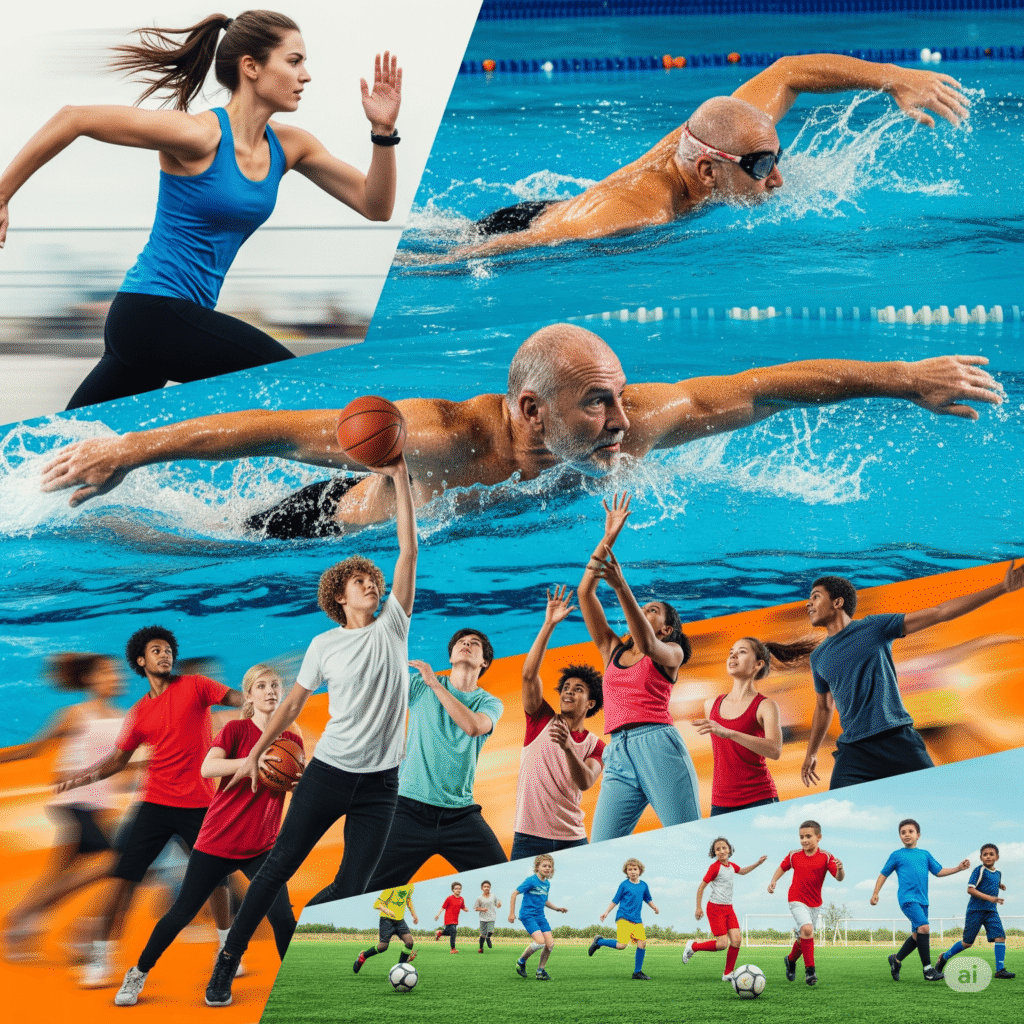
The Life-Changing Power of Sports
In today’s busy and often sedentary lifestyle, understanding the benefits of playing sports for better health is essential. Regular participation in sports not only improves physical fitness but also enhances mental wellbeing, making it a powerful way to boost overall health. Whether you’re new to sports or an experienced athlete, embracing these benefits can lead to a happier, healthier life.
In our increasingly sedentary world, where screen time dominates daily routines and physical activity often takes a backseat to work and entertainment, sports offer a powerful antidote to modern lifestyle challenges. Playing sports isn’t just about competition or recreation—it’s a comprehensive wellness strategy that addresses both physical fitness and mental health simultaneously.
Playing sports offers benefits that go well beyond the field, positively influencing many areas of life. From cardiovascular health to stress management, from social connections to self-confidence, sports provide a holistic approach to wellbeing that no other single activity can match.
Research consistently demonstrates that people who regularly participate in sports enjoy better physical health, stronger mental resilience, and more fulfilling social relationships. Whether you’re a weekend warrior or a dedicated athlete, the investment in sports participation pays dividends in improved quality of life, longevity, and overall happiness.
The beauty of sports lies in their accessibility and variety. Regardless of age, fitness level, or personal preferences, there’s a sport that can provide these benefits while being enjoyable and sustainable as a long-term lifestyle choice.
Physical Health Benefits of Playing Sports for Better Health
Cardiovascular Excellence
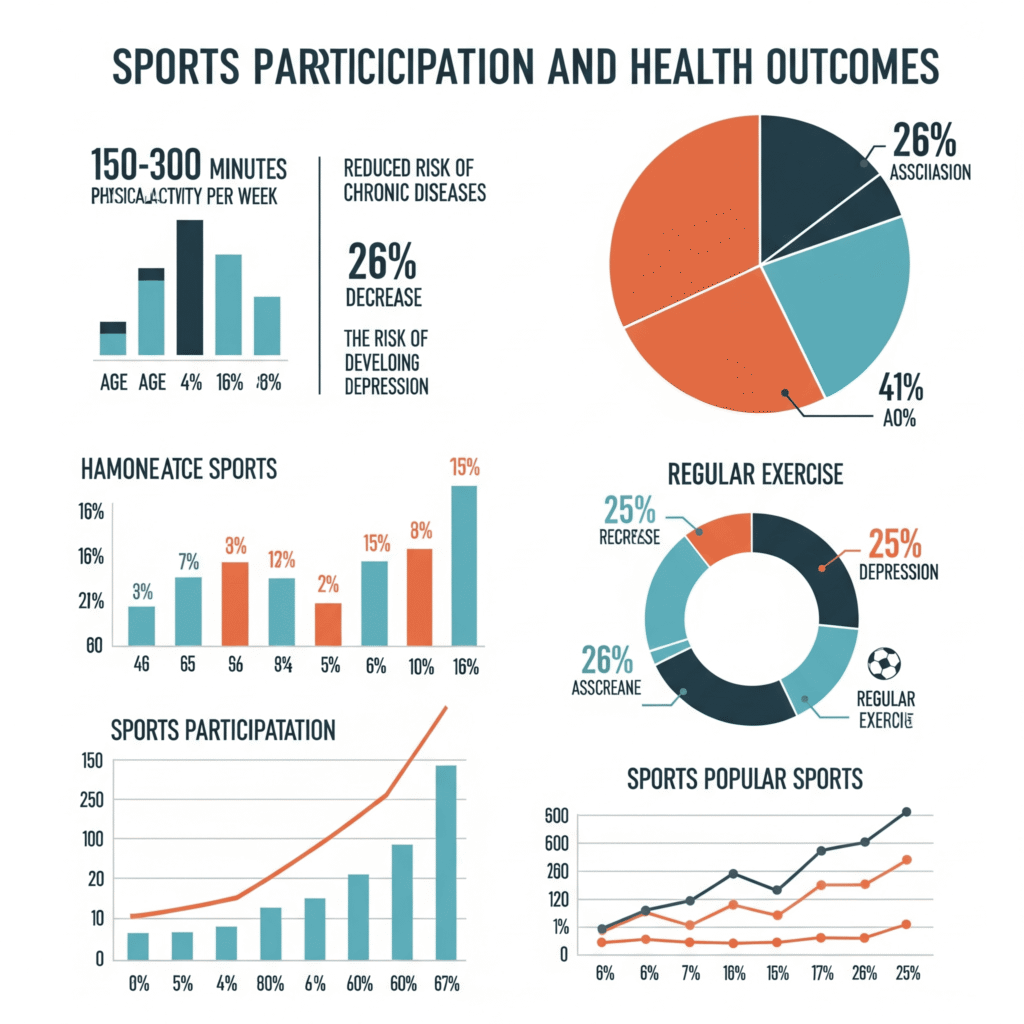
Regular sports participation provides one of the most effective cardiovascular workouts available. Unlike monotonous gym routines, sports naturally incorporate interval training, combining periods of high-intensity activity with recovery periods. This variation strengthens the heart muscle, improves blood circulation, and enhances the body’s ability to deliver oxygen to muscles and organs.
Sports like soccer, basketball, tennis, and swimming provide excellent cardiovascular conditioning while being engaging enough to maintain long-term participation. The dynamic nature of these activities means your heart rate varies throughout the session, providing comprehensive cardiovascular training that improves both aerobic and anaerobic capacity.
Studies show that people who play sports regularly have significantly lower rates of heart disease, stroke, and high blood pressure compared to sedentary individuals. The cardiovascular benefits begin appearing within weeks of starting regular sports participation and continue improving with consistent activity.
Strength and Muscle Development
Sports provide functional strength training that translates directly to daily activities. Unlike isolated gym exercises, sports require multiple muscle groups to work together, developing practical strength and coordination. Basketball players develop explosive leg power and core stability, swimmers build comprehensive upper body and core strength, and soccer players develop powerful leg muscles and cardiovascular endurance.
This functional approach to strength development creates balanced muscle development and reduces injury risk in daily activities. The varied movements in sports prevent the muscle imbalances that can develop from repetitive gym routines or sedentary lifestyles.
Contact sports like football and rugby build bone density through controlled stress on the skeletal system, helping prevent osteoporosis later in life. Even non-contact sports like tennis and basketball provide bone-strengthening benefits through the impact and resistance involved in playing.
Flexibility and Coordination
Sports naturally improve flexibility, balance, and coordination through dynamic movements and varied positioning requirements. Tennis players develop exceptional hand-eye coordination and quick directional changes, gymnasts achieve remarkable flexibility and body awareness, and martial arts practitioners combine strength, flexibility, and precise movement control.
These improvements in coordination and flexibility reduce injury risk in daily activities and maintain mobility as we age. The complex movement patterns required in sports create neural pathways that enhance overall physical competence and confidence in physical activities.
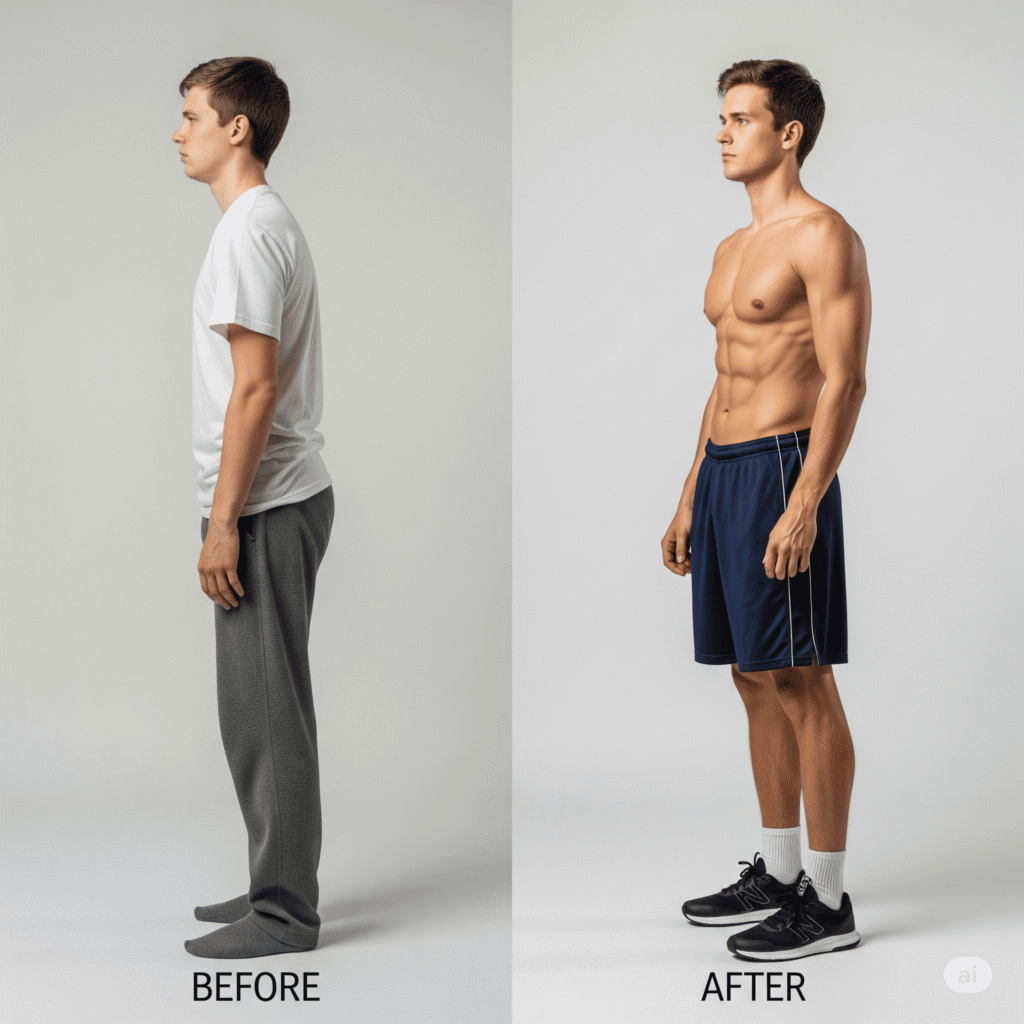
Mental Health Benefits of Playing Sports for Better Health
Stress Relief and Emotional Regulation
Physical activity through sports provides one of the most effective natural stress relief mechanisms available. During sports participation, the body releases endorphins—natural mood elevators that create feelings of happiness and wellbeing. This “runner’s high” isn’t limited to running; it occurs with any sustained physical activity that elevates heart rate.
Sports also provide a healthy outlet for frustration, anger, and anxiety. The physical exertion helps metabolize stress hormones like cortisol and adrenaline, while the focus required during play provides a mental break from daily worries and pressures. Many athletes describe sports as their primary stress management tool, more effective than any other strategy they’ve tried.
The steady, repetitive motions in sports like swimming or shooting hoops can be meditative, helping to soothe the mind and ease anxiety. This combination of physical exertion and mental focus creates a powerful stress-reduction effect that lasts well beyond the actual playing time.
Cognitive Enhancement and Brain Health
Regular sports participation significantly enhances cognitive function across multiple areas. The complex decision-making required in sports—reading opponents, strategizing plays, reacting to changing situations—strengthens neural pathways and improves overall brain function.
Studies indicate that regular sports participation boosts memory, sharpens focus, and strengthens problem-solving skills. The hand-eye coordination required in sports like tennis or baseball strengthens connections between brain hemispheres, improving overall cognitive processing speed and accuracy.
Sports also promote neuroplasticity—the brain’s ability to form new neural connections throughout life. This enhanced brain plasticity helps protect against cognitive decline and may reduce the risk of dementia and Alzheimer’s disease later in life.
Self-Esteem and Confidence Building
Sports provide numerous opportunities for personal achievement and skill development that directly boost self-esteem and confidence. Whether it’s making a difficult shot, completing a challenging workout, or simply showing up consistently, sports create regular opportunities for personal victories.
The goal-setting aspect of sports—whether aiming to improve personal bests, master new skills, or contribute to team success—provides a framework for building self-efficacy. Each small improvement reinforces the belief that effort leads to results, a mindset that transfers to other areas of life.
Team sports particularly enhance self-confidence by providing supportive environments where individuals can contribute to collective success. The encouragement from teammates and coaches creates positive reinforcement that builds lasting self-assurance.
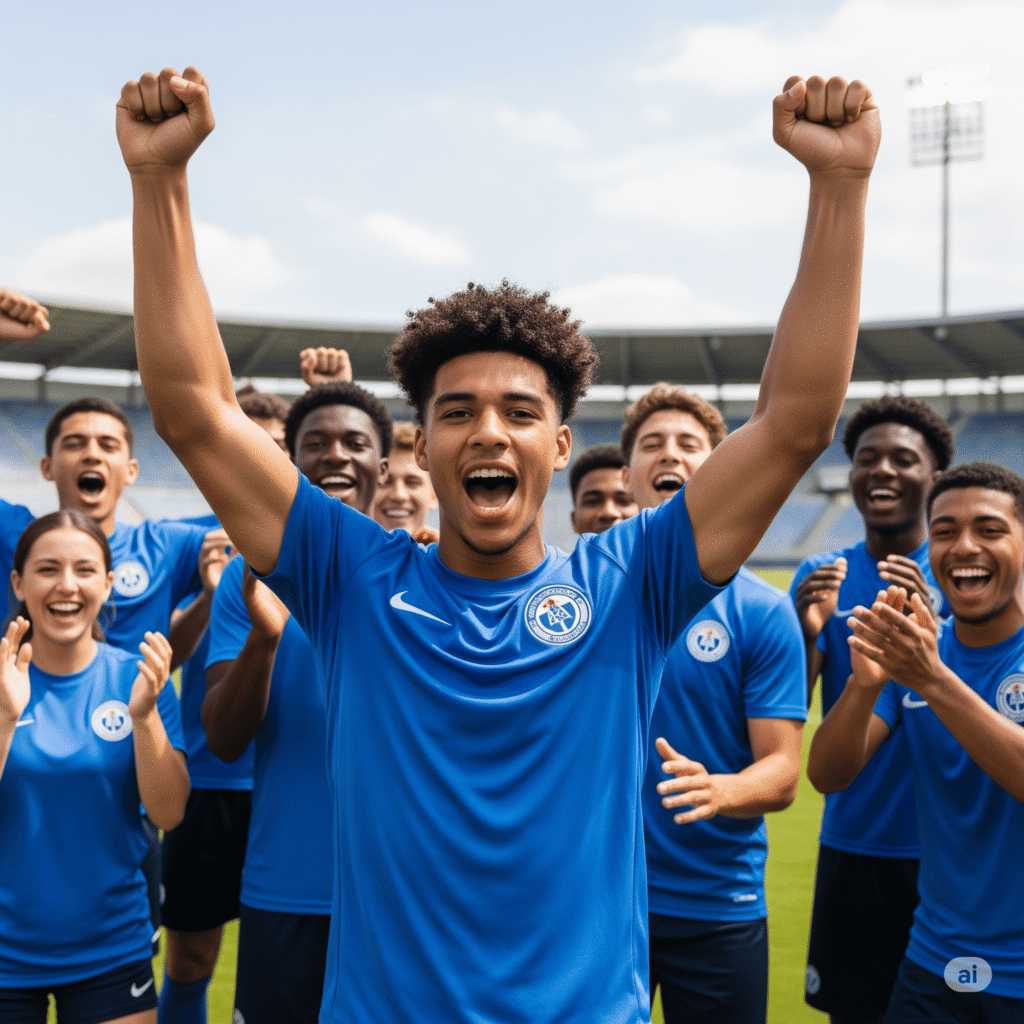
Social Benefits of Playing Sports for Better Health
Building Meaningful Relationships
Sports create natural opportunities for forming deep, lasting friendships based on shared experiences and common goals. The bonds formed through sports often extend far beyond the playing field, creating social networks that provide support, accountability, and lifelong connections.
Team sports particularly excel at building social skills and relationships. Players learn to communicate effectively under pressure, support teammates through challenges, and celebrate collective achievements. These experiences develop emotional intelligence and interpersonal skills that enhance relationships in all areas of life.
Even individual sports often involve communities of participants who share training spaces, compete against each other, and support each other’s improvement. Running clubs, tennis leagues, and cycling groups provide social interaction opportunities that combat isolation and loneliness.
Leadership and Teamwork Skills
Sports provide excellent training grounds for developing leadership qualities and teamwork abilities. Team captains develop skills in motivating teammates, making tough decisions, and owning the results of the group.These leadership experiences translate directly to professional and personal success.
All team sports require participants to balance individual performance with collective goals, teaching valuable lessons about cooperation, compromise, and mutual support. Players learn to trust others, communicate effectively, and work toward shared objectives—skills essential for success in careers and relationships.
Discipline and Time Management
Regular sports participation requires commitment, consistency, and effective time management. Athletes must balance training schedules with work, school, and personal responsibilities, developing organizational skills and discipline that benefit all areas of life.
The delayed gratification required for sports improvement—consistent training for gradual skill development—builds character traits like patience, persistence, and resilience. These qualities contribute to success in academic pursuits, career advancement, and personal goal achievement.
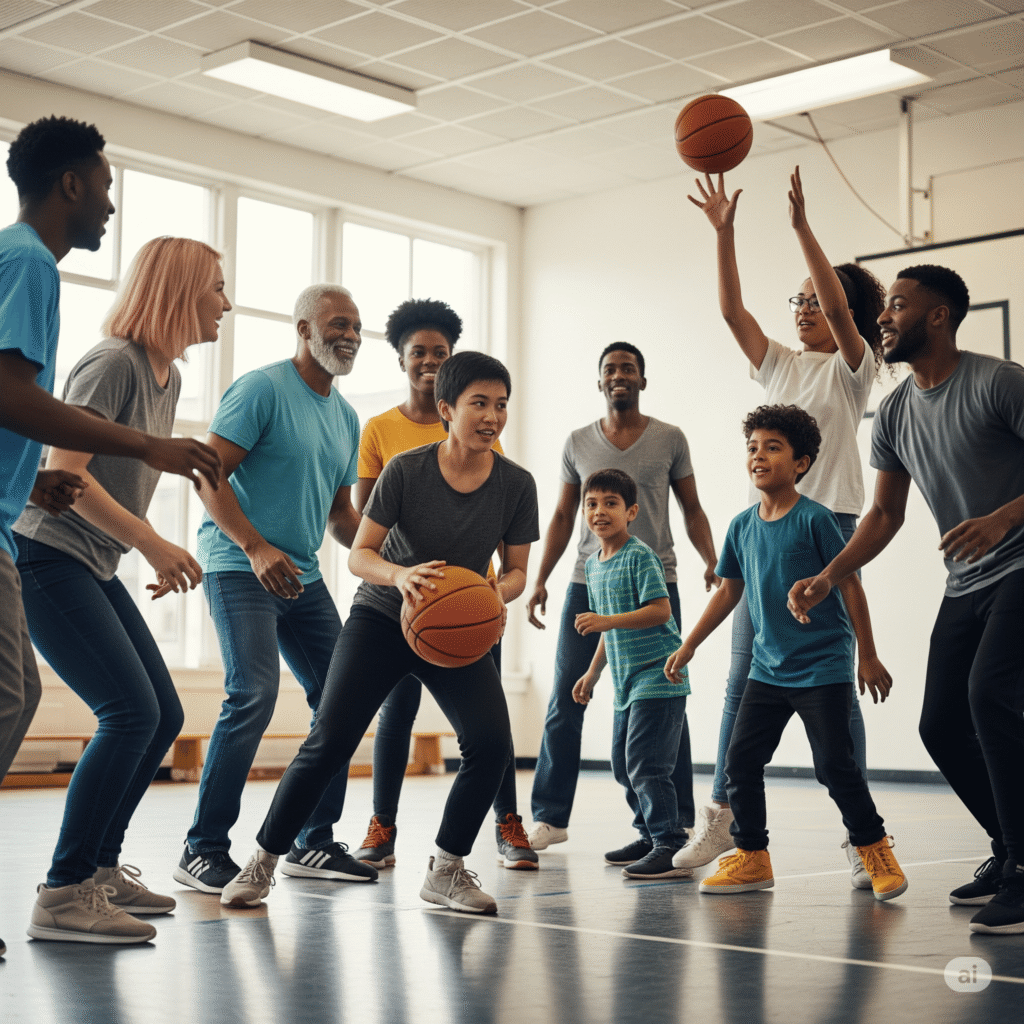
Age-Specific Benefits Across Life Stages
Youth Development
For children and teenagers, sports provide crucial developmental benefits beyond physical fitness. Youth sports teach important life lessons about effort, perseverance, and handling both success and failure. The structured environment of sports helps young people develop self-discipline and respect for rules and authority.
Sports participation during youth correlates with better academic performance, reduced risk of substance abuse, and improved social skills. The goal-setting and achievement cycles in sports teach young people that success requires effort and persistence, lessons that transfer to academic and personal pursuits.
Team sports particularly help young people develop social skills and learn to work effectively with others. Being part of a diverse team helps youth see the world through different lenses, fostering tolerance and mutual respect.
Adult Fitness and Stress Management
For adults, sports provide efficient exercise solutions that fit busy lifestyles while delivering comprehensive fitness benefits. Adult sports leagues and recreational activities offer structured fitness routines that are more engaging than solo gym workouts.
The social aspects of adult sports help combat isolation and provide networking opportunities outside professional environments. Many adults find their closest friendships through sports activities, creating social support systems that enhance overall life satisfaction.
Sports also provide healthy outlets for competitive drives that may not be fully satisfied in professional settings. The clear rules and immediate feedback in sports can provide satisfying contrast to ambiguous workplace challenges.
Healthy Aging Through Sports
For older adults, sports participation is crucial for maintaining physical function, cognitive health, and social connections. Low-impact sports like swimming, golf, and tennis provide excellent exercise options that protect joints while maintaining cardiovascular health and muscle strength.
The balance and coordination requirements of sports help prevent falls and maintain mobility as we age. The cognitive challenges of sports also help maintain mental sharpness and may protect against cognitive decline.
Senior sports leagues and activities provide important social connections that combat isolation and depression common among older adults. The sense of purpose and accomplishment from sports participation contributes significantly to quality of life in later years.
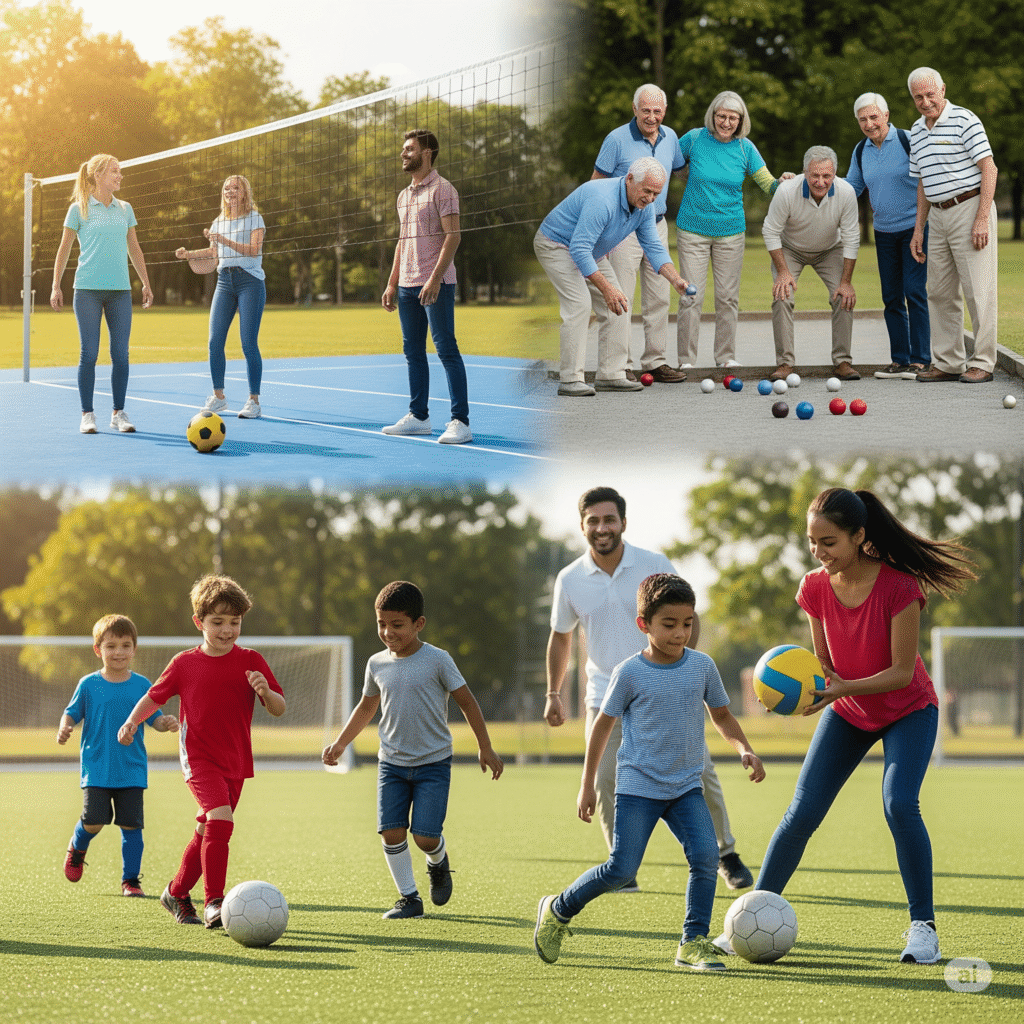
Choosing the Right Sport for You
Matching Sports to Personal Goals
Different sports offer varying benefits, so choosing activities that align with your specific goals maximizes the positive impact. If cardiovascular health is your primary concern, consider endurance sports like running, cycling, or swimming. For strength development, look into sports like rowing, climbing, or martial arts.
Consider your personality and preferences when selecting sports. Introverts might prefer individual activities like golf or tennis, while extroverts may thrive in team sports environments. Competitive individuals might enjoy league play, while others prefer recreational or fitness-focused activities.
Overcoming Common Barriers
Many people avoid sports due to perceived barriers like cost, time constraints, or fear of injury. However, most communities offer affordable sports options, and many activities require minimal equipment investment. Local recreation centers, community colleges, and volunteer organizations often provide low-cost sports opportunities.
Time constraints can be addressed by choosing efficient activities or incorporating sports into family time. Many sports can be played in relatively short time periods while still providing significant benefits.
Injury concerns can be minimized by starting gradually, using proper equipment, and choosing age-appropriate activities. The injury risks from sedentary lifestyles often exceed those from moderate sports participation.
Getting Started Safely
Begin any new sports activity gradually, allowing your body time to adapt to new movement patterns and intensity levels. Consider working with coaches or experienced players initially to learn proper techniques and safety practices.
Invest in appropriate equipment, particularly safety gear like helmets, protective padding, or proper footwear. Quality equipment not only prevents injuries but also enhances performance and enjoyment.

Making Sports a Lifelong Habit
Creating Sustainable Routines
The key to long-term sports participation is finding activities you genuinely enjoy rather than forcing yourself into sports that feel like work. Experiment with different activities until you find ones that provide both physical benefits and personal satisfaction.
Build sports into your routine gradually, starting with one or two sessions per week and increasing as your fitness and enthusiasm develop. Consistency matters more than intensity for long-term health benefits.
Consider seasonal variety to maintain interest and work different muscle groups throughout the year. Outdoor activities in good weather and indoor alternatives during harsh weather can provide year-round participation opportunities.
Building Support Systems
Enlist family members or friends to join your sports activities. Having companions increases enjoyment, provides accountability, and creates shared experiences that strengthen relationships.
Get involved by joining clubs, leagues, or groups that focus on your favorite sport. These communities provide motivation, instruction, and social connections that enhance the overall experience and encourage continued participation.
Consider working with coaches or trainers periodically to improve skills and maintain proper form. Professional guidance can prevent plateaus, reduce injury risk, and keep activities challenging and engaging.
Sports offer unparalleled benefits for both physical and mental health, providing comprehensive wellness solutions that address multiple aspects of human wellbeing simultaneously. The investment in sports participation pays dividends in improved health, enhanced relationships, and greater life satisfaction that compound over time.
For an in-depth look at the health benefits of playing regular sports, visit Corvuss. This resource covers how consistent sports activity improves both physical and mental health.
The Victorian Government’s Better Health website offers comprehensive guidance on sports and physical activity, including practical tips for staying active and maintaining overall wellbeing.
Call-to-Action: What sport interests you most? Share your sports goals and experiences in the comments below, and let us know what’s holding you back from getting more active. Start your path to better health through sports today!
If you liked this blog, Please checkout our other blogs Best Cybersecurity Tips for Complete Online Protection, How to Stay Updated with Global News Without Getting Overwhelmed, The Most Influential Movies and TV Series of All Time and How to Start Investing in Stocks: Beginner’s Step-by-Step Guide

